01 / Workforce Development
Aviation employs far more people on the ground than in the air.
The institute trains across the whole field, then runs interview practice, resume work and job placement to get graduates into the roles it trained them for.
What we teach
Combined ground school
Both tracks begin here. Airspace, weather, regulation, navigation and the operating knowledge every aviation career rests on, whether the aircraft carries a pilot or not.
Unmanned aircraft
Drone and aerial robotics pilot training, preparing students for FAA Part 107 Remote Pilot Certification.
Manned aircraft
Basic through commercial flight training, and advanced military flight training.
Applied technology
Thermal imaging, photogrammetry, GIS and GPS, and the analysis work that drone data actually feeds into.
Where graduates go
Roles the institute trains for.
Flying
- Commercial pilot
- UAS pilot
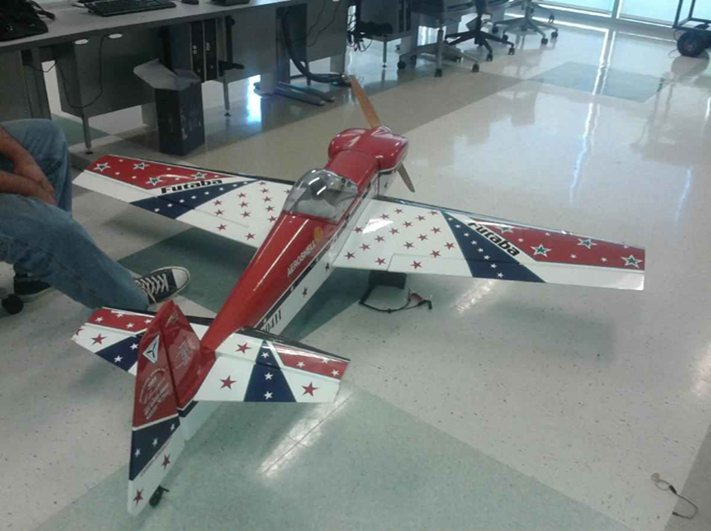
- Advanced fixed-wing UAS
- Instructor
Airport and airline operations
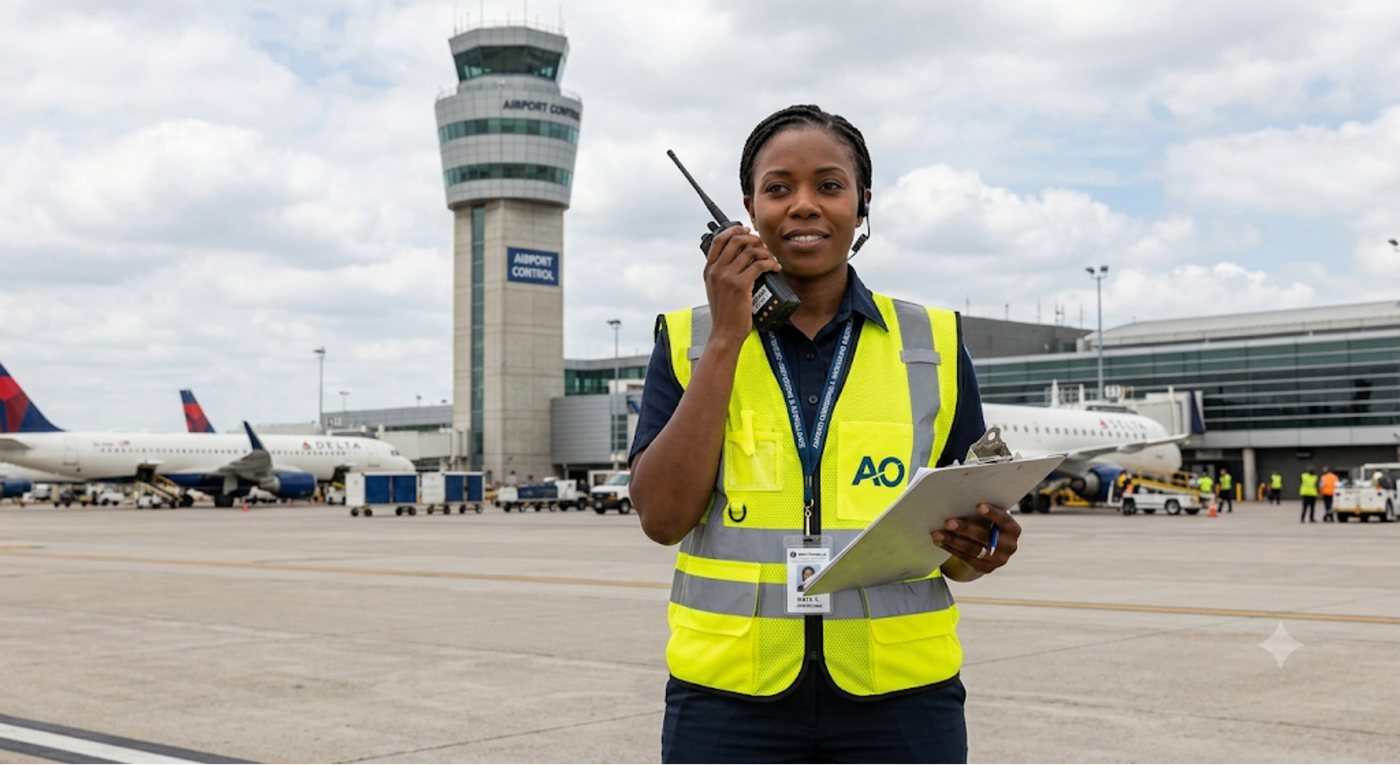
- Air traffic control
- Airport management
- Airport security and systems
- Ground handling
- Cabin crew
Technical and analytical
- Maintenance
- Avionics
- Robotics
- GIS and GPS
- Thermal imaging and photogrammetry
Why the training exists
150,000+
drone-related jobs forecast in the United States within three years
100,000
drone pilots the United States alone is expected to need
50%
growth in demand for drone pilots over the same period
AUVSI Economic Report.
Work performed
Prairie View Volunteer Fire Department
Waller County, Texas
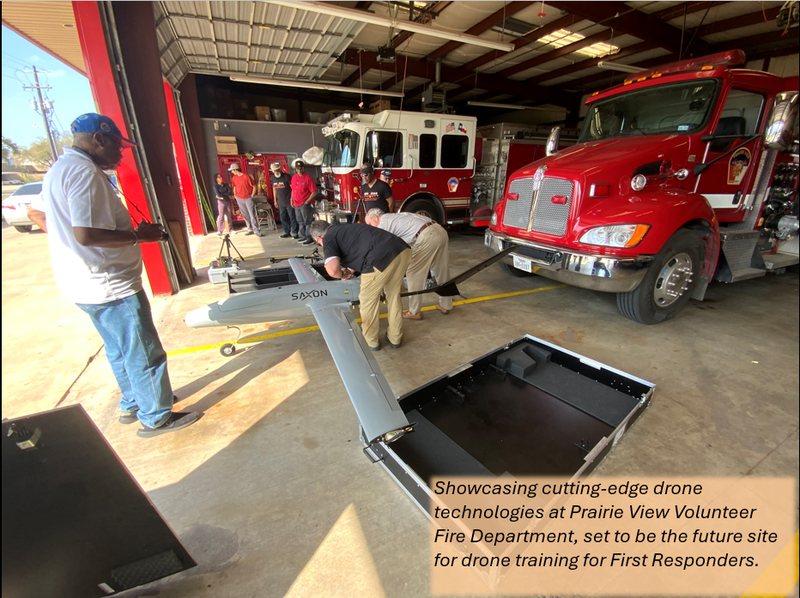
The institute ran a basic drone flight school for first responders in Houston. On the strength of it, the Prairie View Volunteer Fire Department is converting its station into a drone training centre for first responders.
The initiative has been approved by the Houston and Waller County Emergency Services Districts. As station personnel complete advanced training they become qualified on larger fixed-wing aircraft.
Training is built around what a department actually needs: putting aerial data into an existing incident command structure, and reaching people who are hard to reach.
Course catalogue, enrolment and the virtual classroom.